Cornhole's rules are simple to play and slightly counter-intuitive to score, which is why almost every backyard game has an argument in it somewhere. The two things people get wrong are cancellation scoring and what happens past 21.
Everything below is the American Cornhole League's published specification. If you want the equipment dimensions rather than the play, those are in regulation cornhole dimensions.
Before the first throw
Setup
- Place the two boards 27 feet apart, front edge to front edge, with a half-inch tolerance.
- Mark a pitcher's box at each end: a rectangle 3 feet wide by 4 feet long, running alongside the board. Its front edge is the foul line.
- Two players or two teams of two. In a four-player game, partners stand at opposite ends and throw toward each other.
- Each side has four bags of one color, so eight bags total.
The whole court works out to roughly 33 by 10 feet. If you do not have that, read regulation vs tailgate size before shortening it.
The published values
Scoring
| Outcome | Points |
|---|---|
| Bag through the hole | 3 |
| Bag resting on the board | 1 |
| Bag off the board | 0 |
| Bag that touched the ground first | 0 — removed before scoring |
Cancellation scoring, the part that confuses everyone
A round is all eight bags — four from each side. At the end of the round you add up each side's points, and only the difference goes on the scoreboard. The lower-scoring side adds nothing.
- Red scores 5, blue scores 3 → red adds 2, blue adds 0.
- Red scores 6, blue scores 6 → nobody adds anything.
- Red scores 4, blue scores 0 → red adds 4.
This is why a round in which both teams throw brilliantly can move the score by one point, and why the game rewards denying points as much as scoring them. Which is exactly where blockers come in.
Who throws when
Order of play
- The team that scored in the previous round throws first in the next one.
- If neither team scored — a canceled round — the team that threw first previously throws first again.
- Players alternate throws within the round rather than throwing all four at once.
- Play continues until one team has at least 21 at the end of a round.
Blocking and pushing
The strategy the rules imply
Cancellation scoring means denying your opponent a point is worth exactly as much as scoring one. That single fact produces the whole strategic layer:
- The blocker. A bag deliberately stopped just in front of the hole, so your opponent cannot slide into it.
- The push. Your next bag hits your own blocker and knocks it in, scoring 3 and clearing the approach.
- The slide. A flat, fast bag that lands short and carries into the hole — what beginners are trying to do by throwing at the hole directly.
Those three shots need bags that behave differently, which is why competitive bags have a slick face and a grippy one. Full detail in best cornhole bags.
House rules
Common disputes, settled
- A bag hanging over the hole. If it has not gone through, it is on the board: 1 point.
- A bag leaning against the board from the ground. Not on the board, and it touched the ground: 0.
- A bag knocked in by an opponent. It counts for whoever's bag it is, not whoever knocked it in.
- Stepping over the line. The front edge of the pitcher's box is the foul line. Enforce it or do not, but agree before the first round.
Buying advice for boards and bags: best cornhole boards.
What we would buy
The gear behind this guide
The sets whose published specifications this page is built on. Ranked on spec completeness and footprint clarity, not on testing we have not done.

Best overall
GoSports 4 ft x 2 ft Solid Wood Premium Cornhole Set
GoSports
Regulation 4 x 2 ft boards on solid pine frames with a 1/2 in cabinet-grade plywood top, eight 16 oz all-weather bags and a case — the complete tournament-legal setup in one box.
Skip this if
Skip this if your yard is under 30 ft long. A regulation court is 27 ft board-front to board-front plus throwing room behind each board, and there is no shortening it without changing the game.
Price as of October 19, 2026. #ad How we make money

Best league-legal starting point
ACL COMP Officially Licensed Cornhole Bags
American Cornhole League
Dual-fabric, dual-speed bags at the ACL's own 6 x 6 in and 16 oz spec, licensed and stamped by the league that wrote the number.
Skip this if
Skip this if nobody in your group can slide a bag yet. Dual-speed fabric rewards a technique you have to build first; a rec bag is more fun for a year.
Price as of October 19, 2026. #ad How we make money
FAQ
Questions people actually ask
What happens if you go over 21 in cornhole?
How does cancellation scoring work in cornhole?
How many points is a bag in the hole?
What is a foul in cornhole?
Can a bag that lands on the ground and bounces onto the board score?
Why you can check our work
We have not played these. Every figure above is copied from a manufacturer's published listing or a governing body's published rules, and named so you can verify it. Where a maker publishes nothing, the field is blank rather than filled in. How we pick explains the whole method, including what would change a recommendation.
Read next
Related pages
Picks
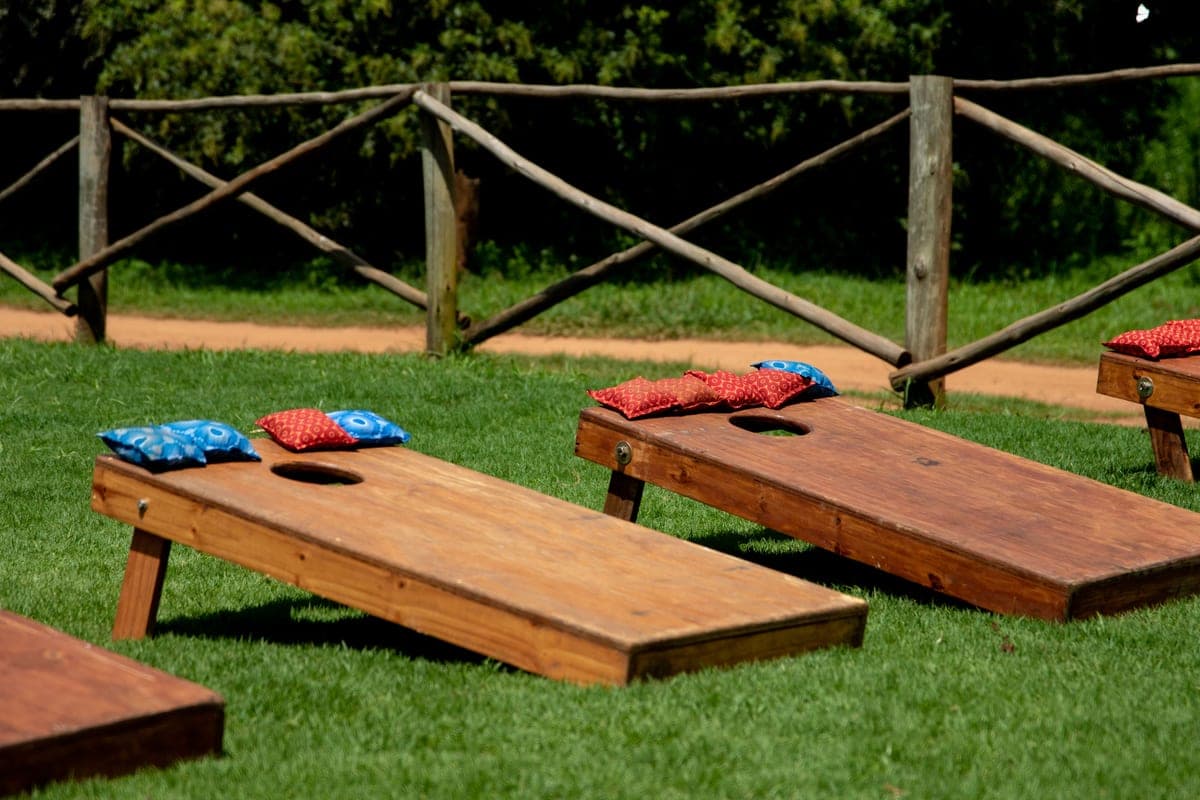
Cornhole accessories worth buying
LED ring kits compared on published LED count and mounting, plus the bag spec that changes play.
Picks
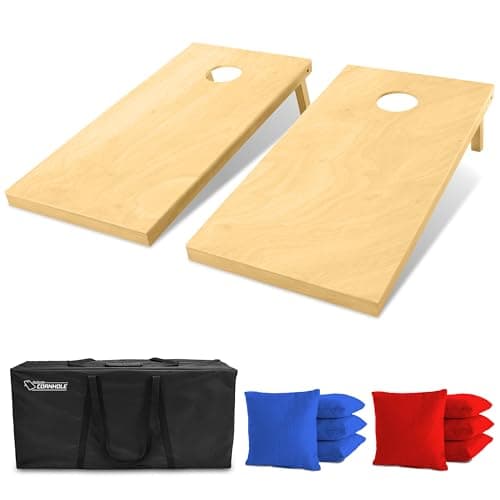
Yard game guides
Rules, regulation dimensions, materials and storage — sourced from governing bodies and makers.
Picks
Best cornhole boards
Five regulation sets ranked on published surface thickness, frame construction, weight and bags.
Guide
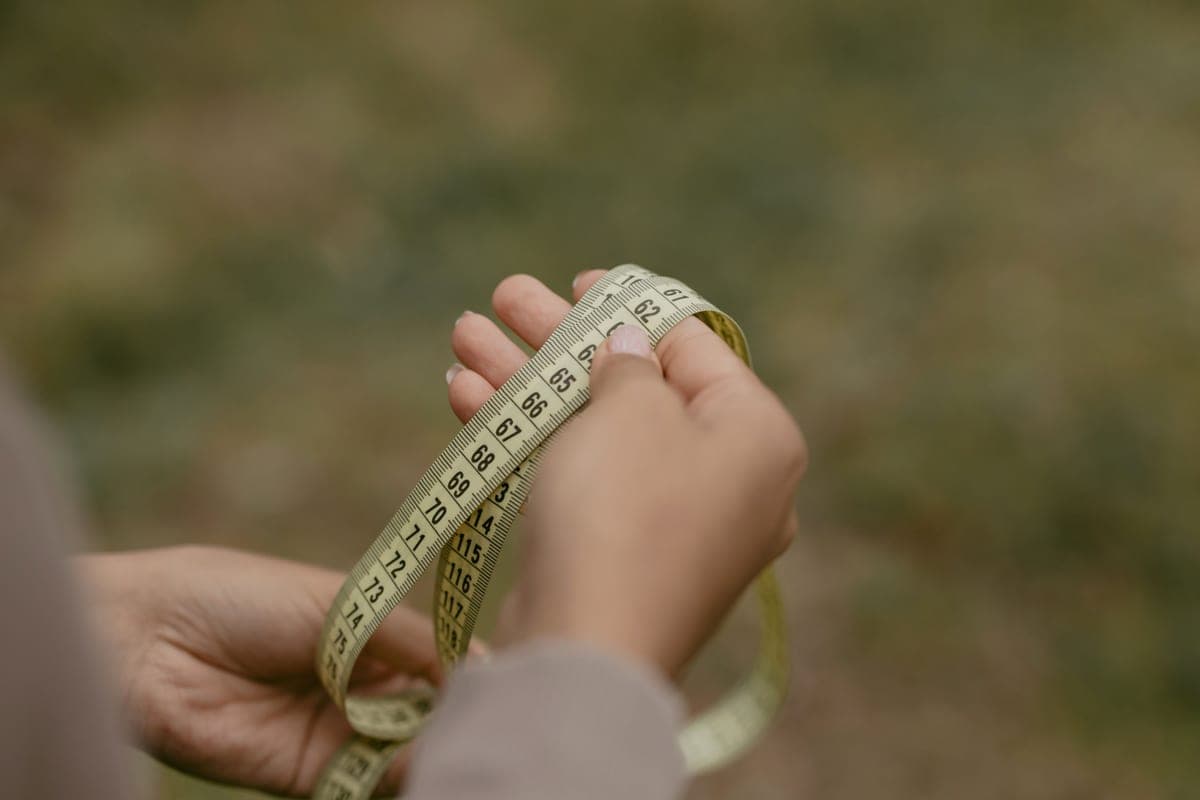
Regulation cornhole dimensions
The complete ACL dimension table with tolerances, and the two measurements people misread.
Picks
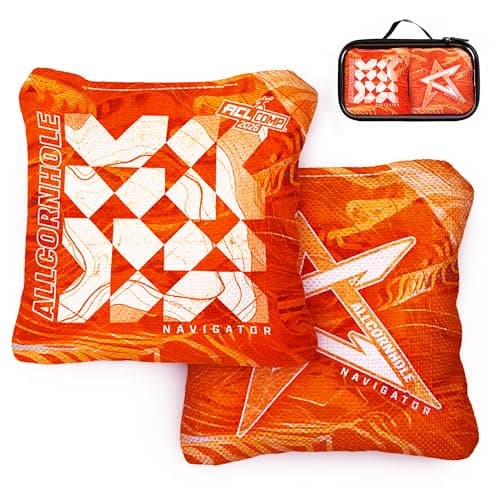
Best cornhole bags
Five ACL-certified bag sets compared on published speed ratings, fabric and certification tier.
Guide
How much space do yard games need?
Every game's published footprint, longest run and player count in one sourced table.
Sources
Every figure on this page is copied from one of these sources. If you find one that is wrong or out of date, tell us and we will fix it.