Most of the games on this site are built for constrained space. Cornhole is a corridor, ladder toss is a patio game, giant 4 in a row is six feet square. If your yard is genuinely large, all of that under-uses it — you have the one thing most households do not, and you are playing games designed around not having it.
Field games are the answer, and they work on a different economic model: the equipment is cheap or nonexistent and the space is the product.
The case
What this family gives you that nothing else does
No player ceiling
Cornhole is four. Kan Jam is four. Spikeball is four. Giant connect four is two. The best crowd game elsewhere on this site is kubb at a published 2 to 12.
Capture the flag has no ceiling at all, and gaga ball absorbs an entire group into one round. For a party of twenty — a graduation, a big cookout, a family reunion — that difference is the whole ballgame. See games for large groups.
Almost no equipment cost per player
Field games are the cheapest category here per person entertained. Capture the flag needs two markers. Gaga ball needs a ball and a pit you can build once. That is a different proposition from buying a four-player set and a second set of bags.
Children run themselves tired
Precision games are excellent for mixed ages precisely because they are calm. That is also their limitation: a group of nine-year-olds at a party does not want calm. Field games are the correct answer to that specific problem — see yard games for kids.
Orientation
The three games worth setting up
Disc golf — a practice basket, not a course
A portable basket in a big lawn is a genuinely good purchase for anyone who plays. What it is not is a course: one basket is one hole, and it becomes putting practice fairly fast. The real constraint is the miss zone. A beginner's throw goes sideways and carries, so you want 100 feet or more of clear line and nothing breakable well off to either side.
Capture the flag — the best value in yard games
Two markers and a boundary. It scales to any group size, any age mix and any shaped piece of ground, and the version played at dusk with glow markers is the one children remember for years. There is no set to buy, which is exactly why it never appears on lists like this one.
Gaga ball — high capacity, low athleticism
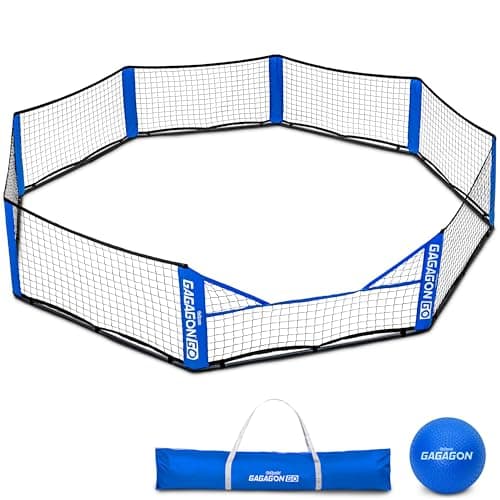
A low octagonal pit, typically 15 to 20 feet across, and a ball. Everyone plays at once, eliminations are constant and rounds are short, so nobody waits. It is the rare crowd game that does not require running speed to be fun, which makes it work across a much wider group than capture the flag.
Related
Where to go from here
This hub said for a long time that we would not publish a comparison here until we could cite published specifications the same way we do everywhere else. That condition is now met for two of them — Franklin publishes belt counts and lengths, and Innova publishes three named PDGA-approved discs — so the first pages beneath this hub are live:
- Backyard flag football sets — eight published 34-inch belts for 4 on 4, and the two things not in the box.
- Backyard disc golf — three named discs, what each one does, and the target you still have to solve.
- Flag football rules for a backyard — the one game on this site with no governing body to cite.
- Disc golf basics for a backyard — why a backyard supports the short game and nothing else.
Capture the flag kits and gaga ball pits now have pages of their own — capture the flag and gaga ball pits — alongside backyard soccer goals, tetherball and backyard baseball. The adjacent pages:
- Games for big lawns — the space category this family belongs to.
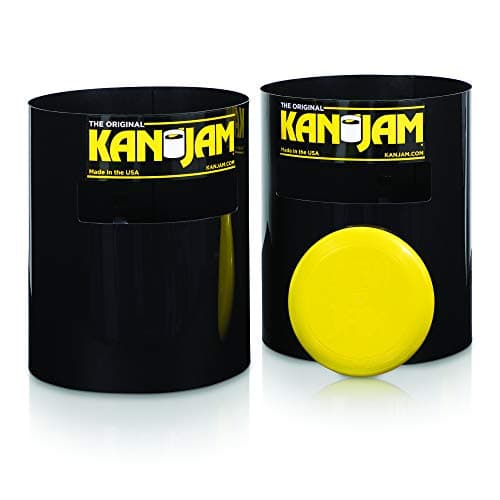
- Kan Jam — the most field-like game we cover in depth today, at 50 feet between goals, and our top pick for open ground.
- Games for large groups — the crowd problem field games solve better than anything.
- Yard games for camping — where zero-equipment games earn their keep.
Newly added
The two disc golf purchases
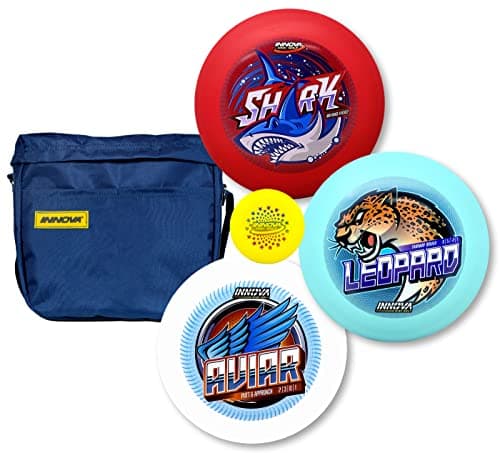
Disc golf is two separate buys and almost every guide covers only the first. The discs are three tools with three jobs — best frisbee golf discs explains what a driver, a mid-range and a putter each do. The target is the purchase nobody warns you about, and the spec that decides whether it catches is the chain count: best disc golf basket.
Newly added
The disc you throw to a person
A catch disc and a disc golf disc are different objects. USA Ultimate approves discs at Championship, General and Youth level, and the weight gap between the adult standard and the youth one is 30 grams — enough to decide whether a child enjoys throwing at all. Four discs on published weight and approval level are in best flying disc.
FAQ
Questions people actually ask
How much space do field games need?
Are field games good for large groups?
What is gaga ball?
Can you put disc golf in a backyard?
Why you can check our work
We have not played these. Every figure above is copied from a manufacturer's published listing or a governing body's published rules, and named so you can verify it. Where a maker publishes nothing, the field is blank rather than filled in. How we pick explains the whole method, including what would change a recommendation.
Read next
Related pages
Picks
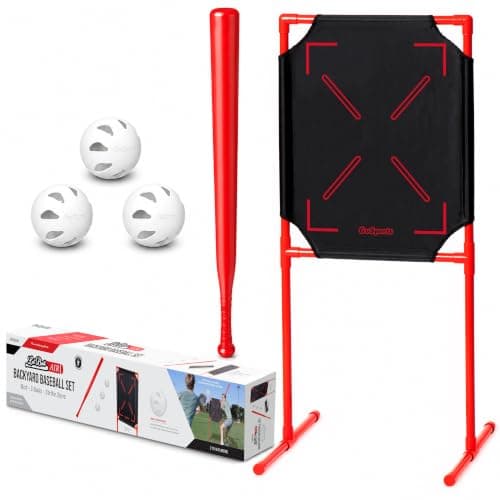
Best backyard baseball set
A plastic-ball game for the yard, or a hitting net for practice — published sizes and which to buy.
Picks
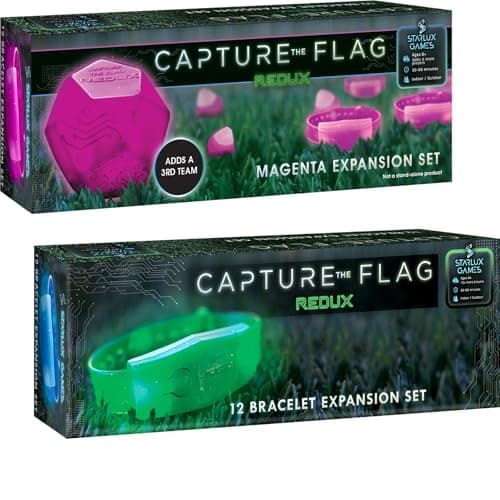
Best capture the flag kit
Free in daylight; after dark a glow kit solves the one real problem — telling teams apart.
Picks
Best gaga ball pit
Sized by players: 2 to 6 at 10 ft, up to 20 at 20 ft — the published counts, weights and setup.
Picks
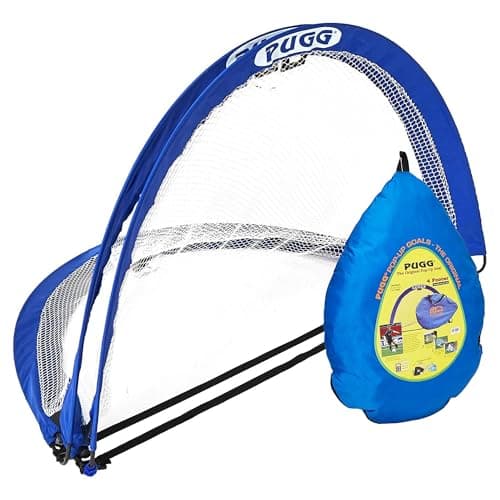
Best backyard soccer goals
Pop-up fabric for young kids, powder-coated steel for teens — published sizes and setup times.
Picks
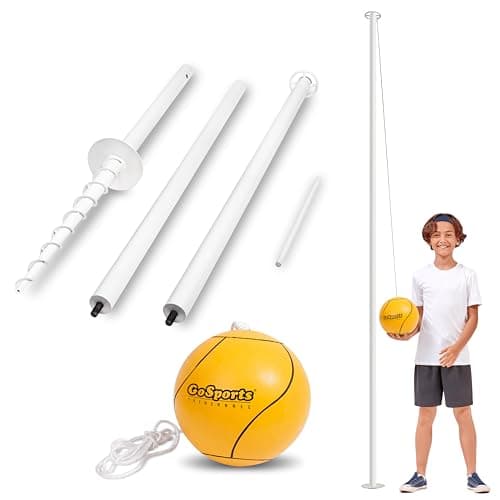
Best tetherball set
One pole, one ball, a 15 ft circle — and why the base is the only real decision.
Picks
Best frisbee golf discs
Driver, mid-range and putter explained, and the PDGA-approved three-disc set to start with.
Sources
Every figure on this page is copied from one of these sources. If you find one that is wrong or out of date, tell us and we will fix it.