Player count is the spec that decides whether a party works, and it is almost never on the front of the box. The uncomfortable truth of this category is that most yard games take four people. Cornhole is four. Kan Jam is four. Spikeball is four. Bocce is two to four.
If you have twelve people, buying any of those means four are playing and eight are standing around. Three games break that pattern, and knowing which ones is worth more than any amount of comparison shopping within a category.
The table
Published player counts and age floors
| Game | Players | Age floor | Turn length | Queue? |
|---|---|---|---|---|
| Kubb | 2 to 12 | Not published | Short | No |
| Croquet | Up to 6 | Not published | Medium | No |
| Giant stacking tower | 2+, no stated limit | 8+ (pine) / 12+ (hardwood) | Seconds | No |
| Giant yard dice | 2+, no stated limit | Not published | Seconds | No |
| Molkky | 2+, teams allowed | Not published | Short | No |
| Cornhole | 2 or 4 | Not published | Medium | Yes |
| Bocce | 2 to 4 | Not published | Medium | Yes |
| Ladder toss | 2 or 4 | Not published | Medium | Yes |
| Horseshoes | 2 or 4 | Not published | Medium | Yes |
| Badminton | 2 or 4 | Not published | Continuous | Yes |
| Spikeball | 4 (2 v 2) | Not published | Continuous | Yes |
| Kan Jam | Exactly 4 | Not published | Continuous | Yes |
| Giant 4 in a row | Exactly 2 | Not published | Short | Yes |
The queue column is the one to read. A game with a hard four-player ceiling and a five-minute round produces a queue at any gathering bigger than four. A game with ten-second turns and no stated limit does not, even though it also only has one person acting at a time.
That is why a giant stacking tower handles a crowd better than cornhole despite looking like a smaller game.
Go to your group
The eight collections
- Yard games for adults — competitive, four-player, skill ceiling. Cornhole and Spikeball anchor it.
- Yard games for mixed ages — the games where a nine-year-old and a fifty-year-old are genuinely competitive.
- Yard games for kids — published age floors, equipment weight and what children actually want to do.
- Yard games for large groups — the three games that do not produce a queue.
- Yard games for two players — the games that are complete with two people, and the ones that quietly need four.
- Yard games for seniors and low-mobility players — filtered on walking distance, equipment weight and how much bending a game asks for.
- Yard games for teenagers — the only crowd filtered on skill ceiling rather than on a published number.
- Yard games for three players — the number this whole category ignores, and the games that handle it anyway.
Once you know who is playing, check it against what you have room for: yard games by space.
Newly added
Under five is its own problem
Two to five is not a smaller version of six to twelve. Under five the limit is not coordination, it is waiting — a two-year-old will throw happily all afternoon and will not hold a turn order or a running score. So the games that work are the ones with no scoring to explain and a throwing line you can move: yard games for toddlers and preschoolers.
Newly added
Two more player counts
Four is the number this catalog is actually built for — nearly everything worth owning publishes 2 or 4 and means 4. The games that are best at exactly four, and the doubles formats that make them work, are in yard games for four players. At the other extreme, the handful with a published solo count or a real practice format are in yard games you can play alone.
FAQ
Questions people actually ask
What yard game holds the most players?
What age can children start playing yard games?
How do I keep everyone playing at a big party?
Why you can check our work
We have not played these. Every figure above is copied from a manufacturer's published listing or a governing body's published rules, and named so you can verify it. Where a maker publishes nothing, the field is blank rather than filled in. How we pick explains the whole method, including what would change a recommendation.
Read next
Related pages
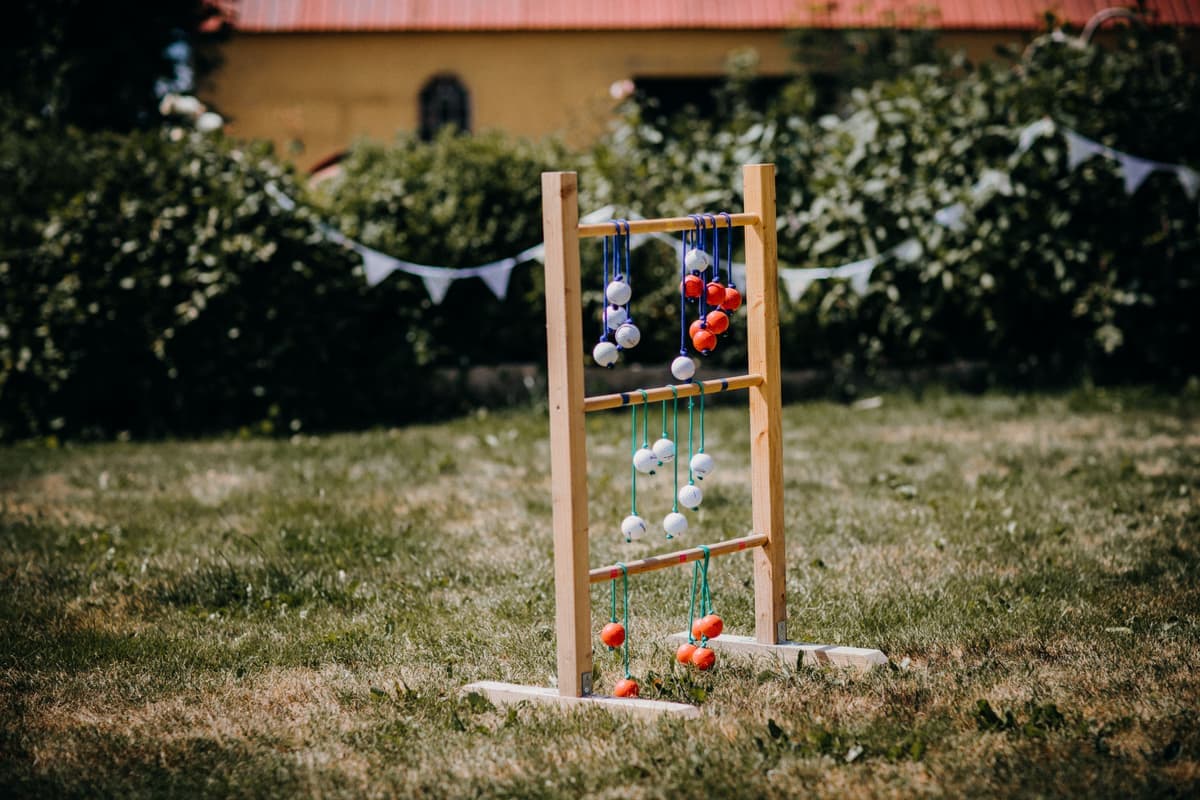
Picks
Best yard games for toddlers and preschoolers
The four games that work under five, and the published age floors that actually exist.
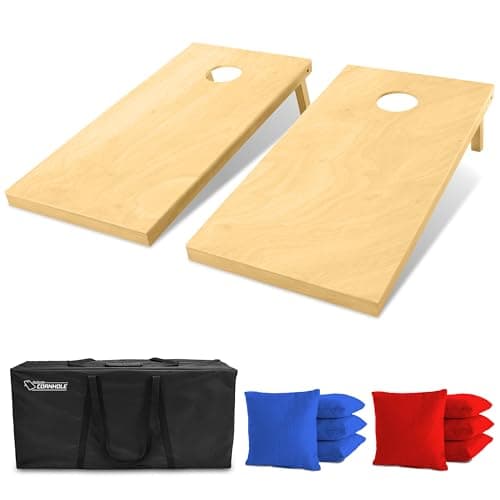
Picks
Best yard games for adults
Five games with a real skill ceiling and a governing body behind the specification.

Picks
Best yard games for mixed ages
Five games where the youngest and the oldest player are both genuinely competitive.
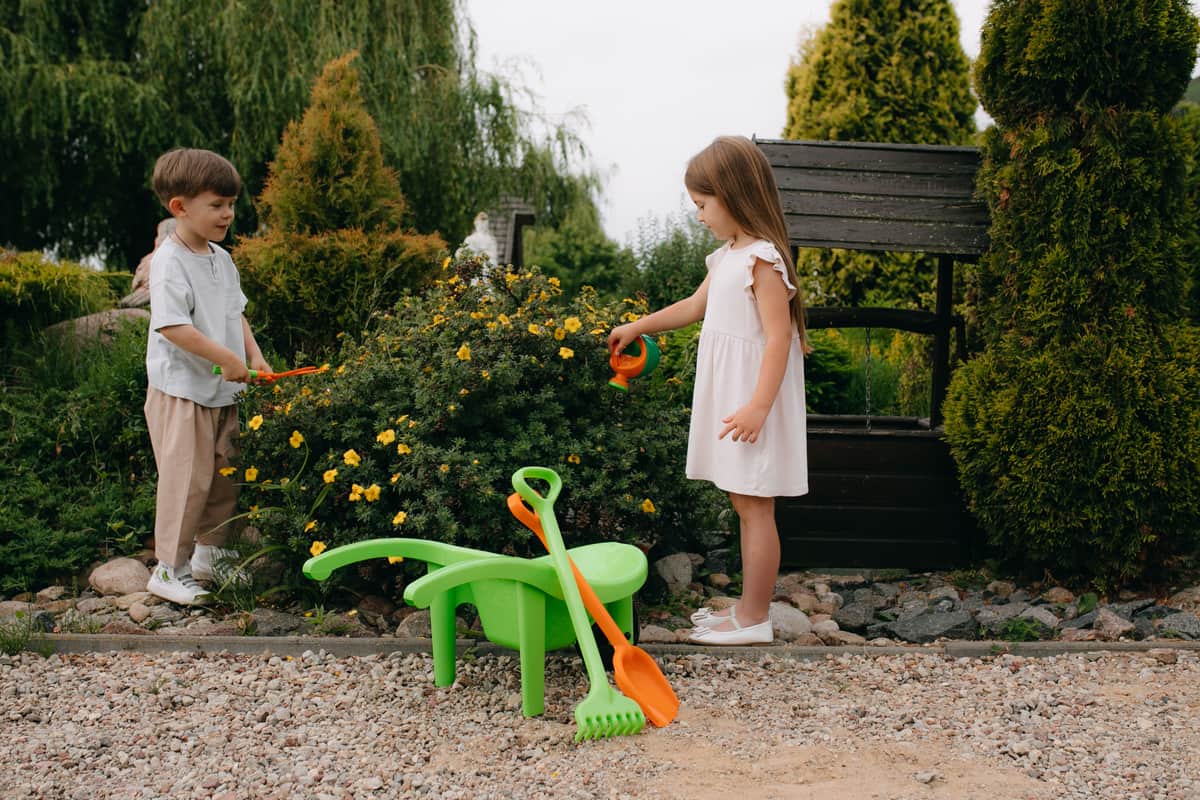
Picks
Best yard games for kids
Games chosen on published age floors and equipment weight, plus the ones to avoid outright.

Picks
Best yard games for large groups
The games that genuinely absorb a crowd, by published player count and turn length.
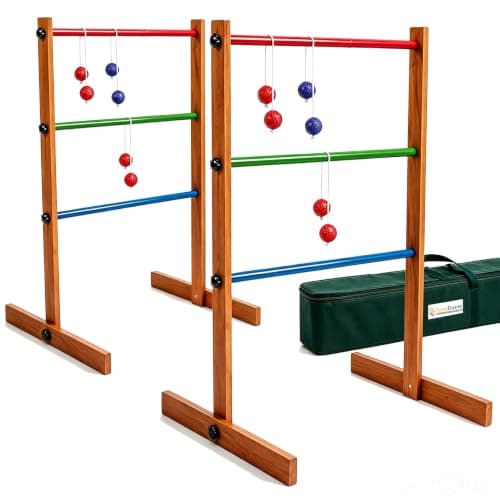
Picks
Yard games by space
The footprint table, and ten collections filed by the space you actually have.
Sources
- Kubb World Championship — rules (English)
- Yard Games — Giant Tumbling Timbers
- Jenga GIANT — genuine hardwood game
- Kan Jam — how to play
Every figure on this page is copied from one of these sources. If you find one that is wrong or out of date, tell us and we will fix it.